What areas of Texas do you serve?
+
We serve families across all of Texas. Our primary service areas include San Antonio, Houston, Austin, and Dallas-Fort Worth, as well as surrounding communities like New Braunfels, Boerne, Seguin, San Marcos, Round Rock, Georgetown, Katy, Sugar Land, The Woodlands, Plano, and Arlington. If you are in Texas, we will come to you — contact us to confirm availability in your area.
How far in advance should I book?
+
We understand that loss is often sudden. Please reach out as soon as you know you'd like our services — even within days of need. We will do everything we can to accommodate your family's timeline. The more lead time we have, the better we can prepare, but please never hesitate to call us, even on short notice.
Do you provide services for military & veteran funerals?
+
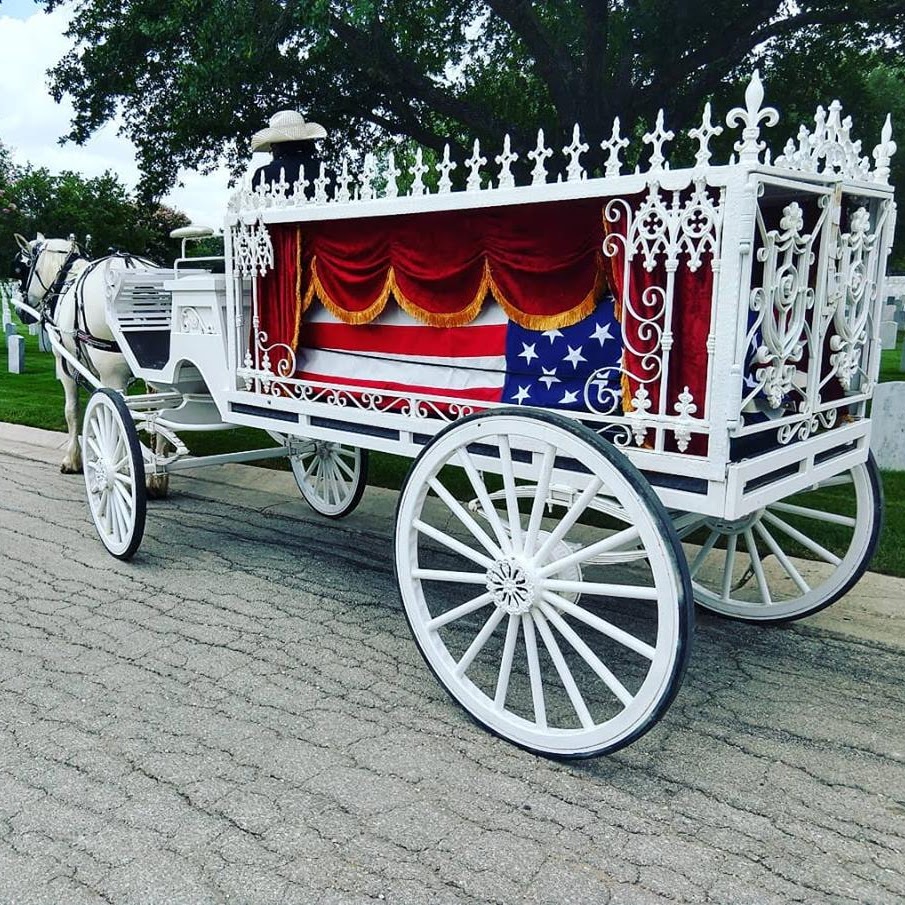
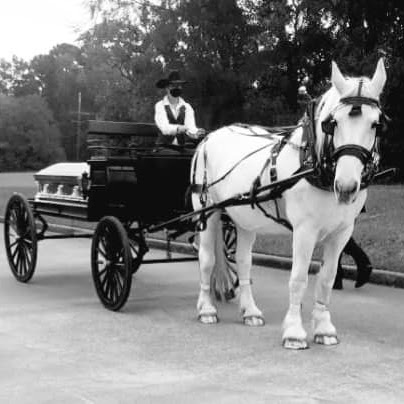
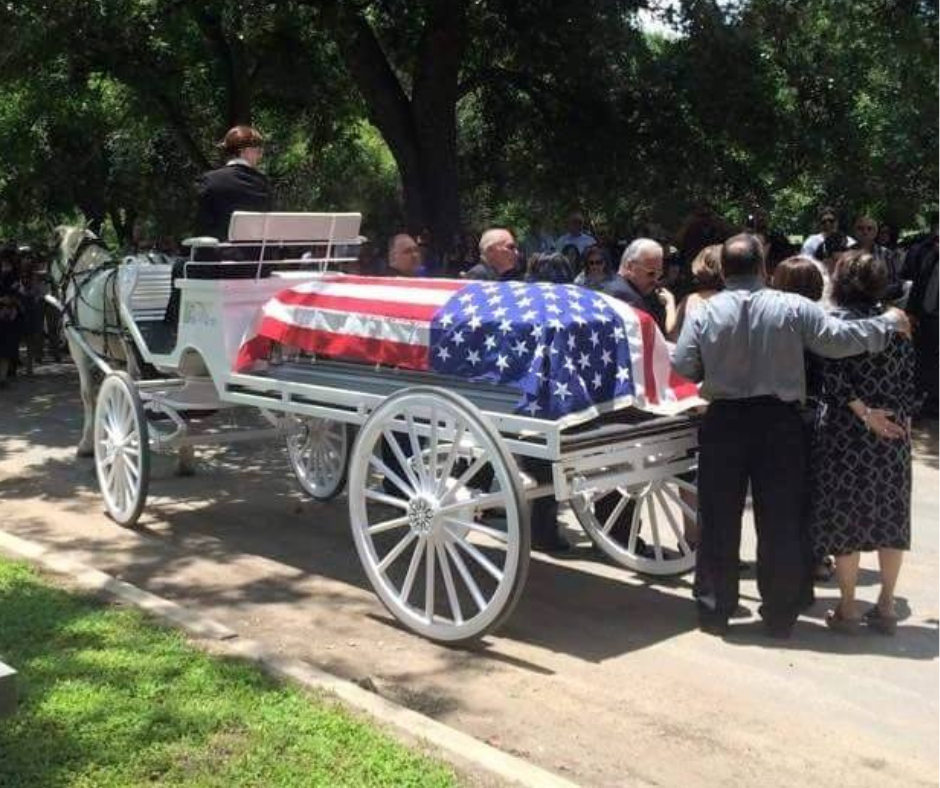
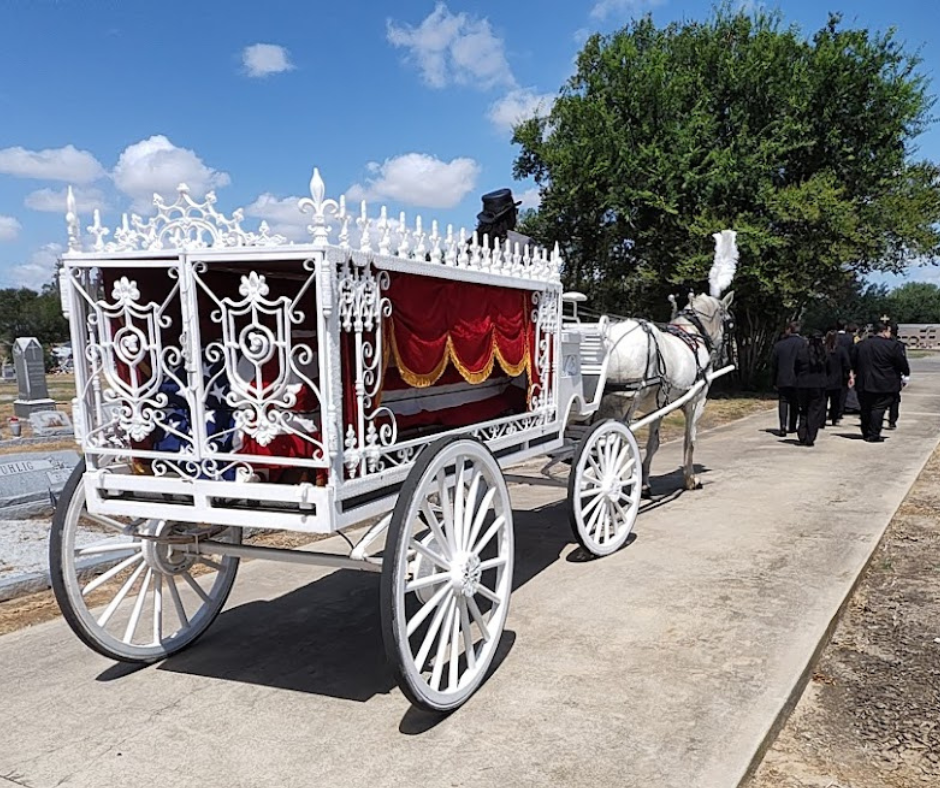
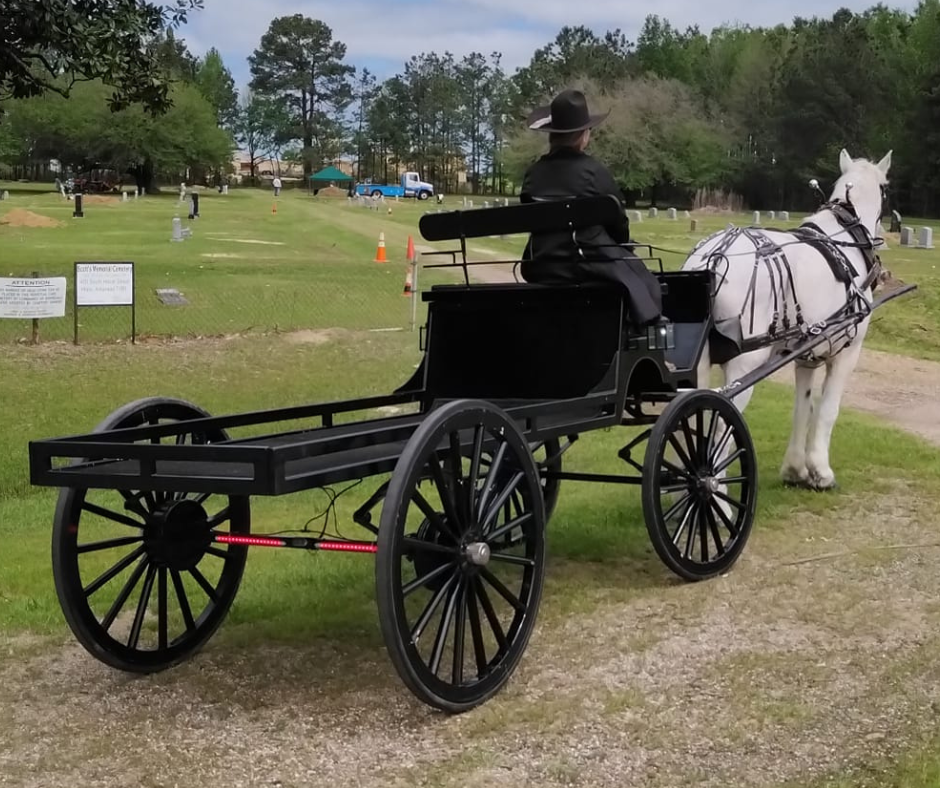
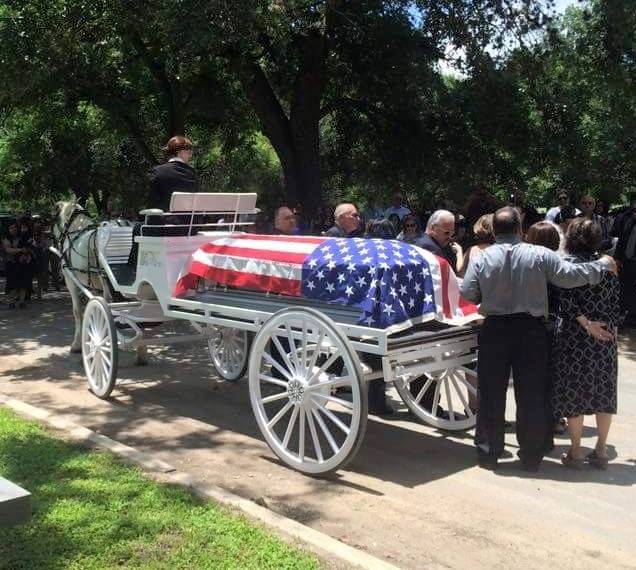
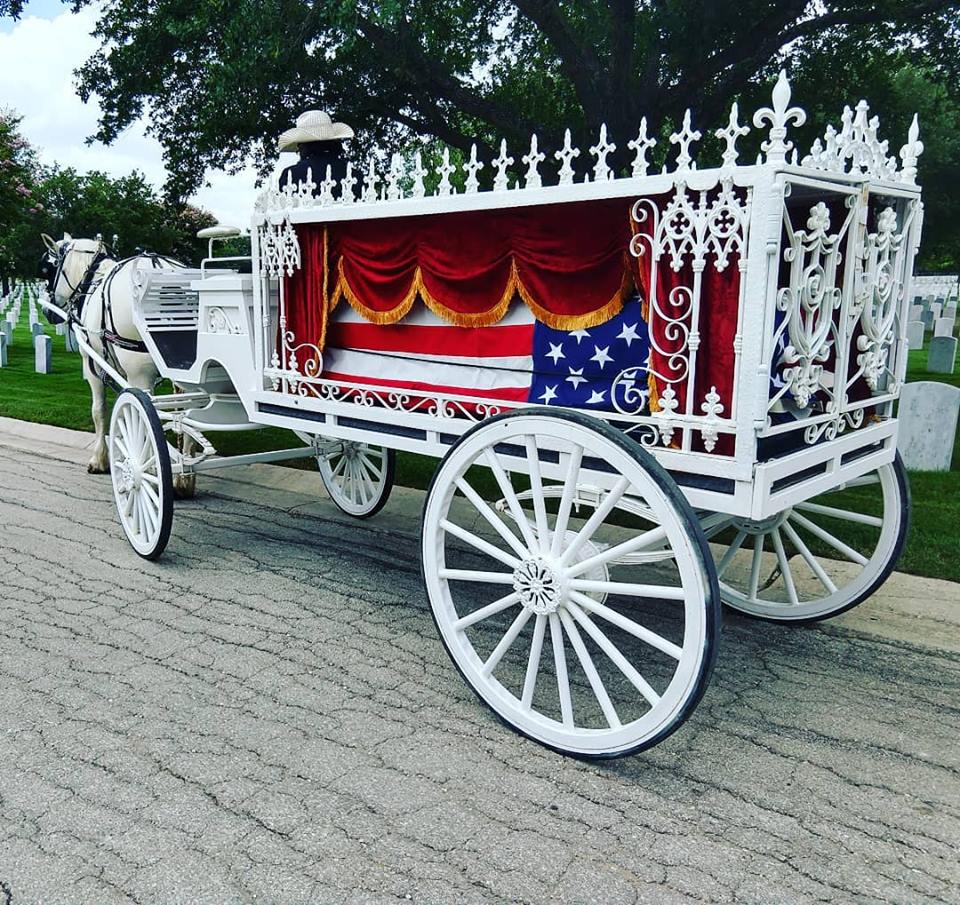
Yes. Our black caisson and riderless horse services are specifically designed for military and veteran honors. We work respectfully within the traditions of military funeral protocol and coordinate closely with funeral homes and families to ensure every detail reflects the service and sacrifice of your loved one.
What is a riderless horse and what does it symbolize?
+
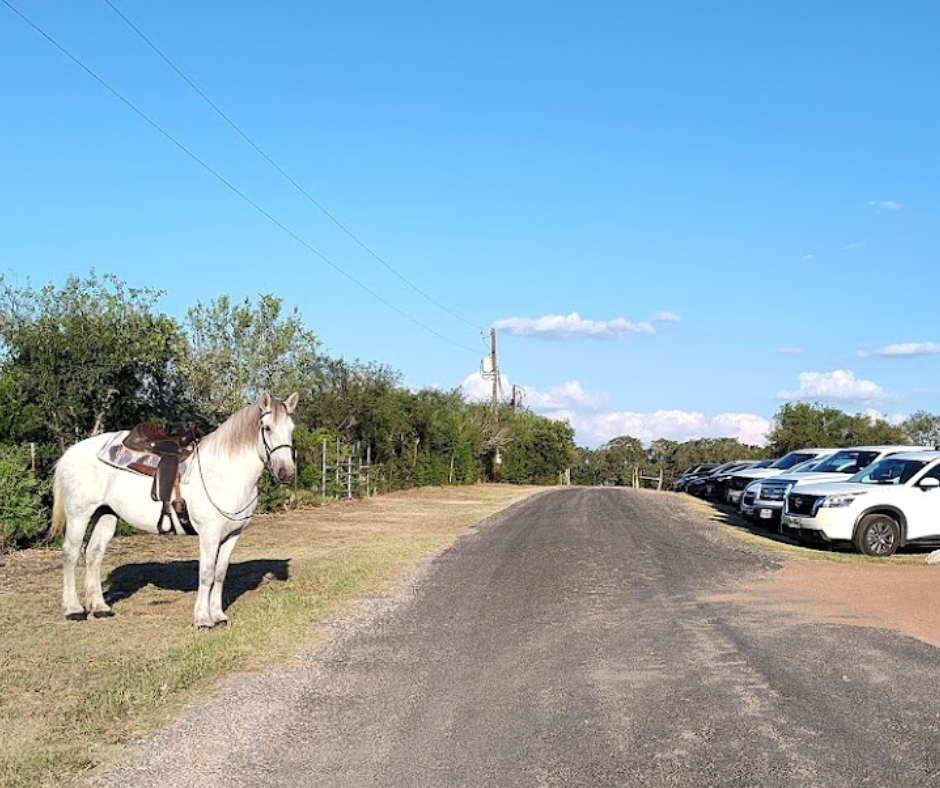
The riderless horse — with boots reversed in the stirrups — is a centuries-old military tradition symbolizing a fallen warrior who will ride no more. It is one of the most powerful and moving elements of a formal funeral procession, representing honor, sacrifice, and the enduring spirit of those who served. Its presence brings a depth of meaning that words alone cannot convey.
Can we customize the carriage or decorations?
+
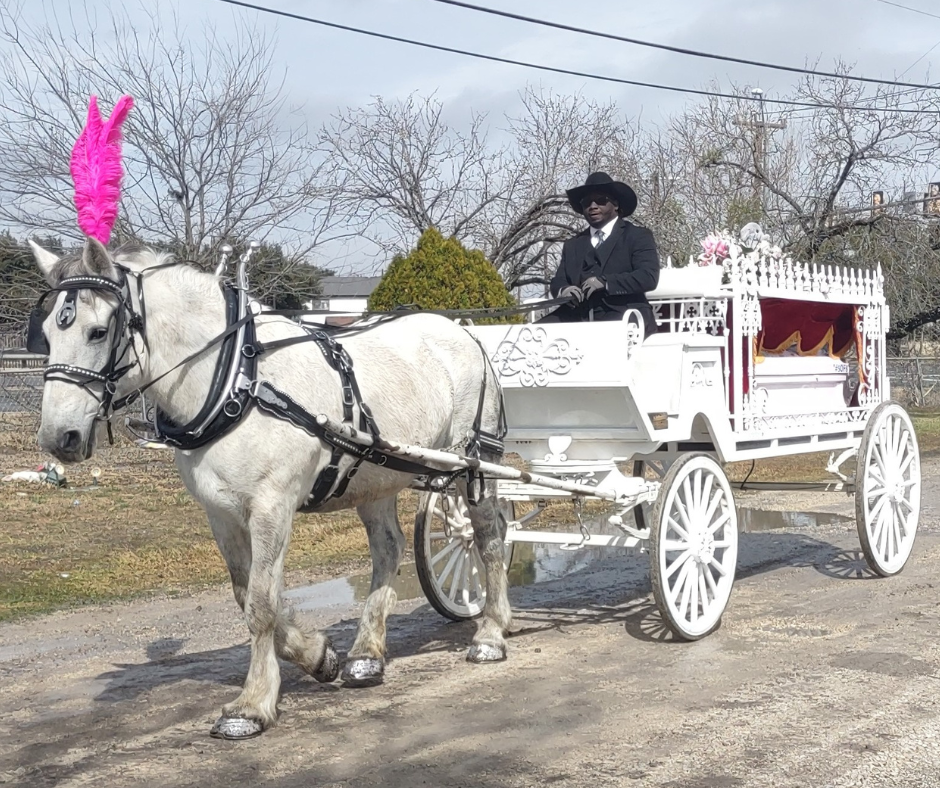
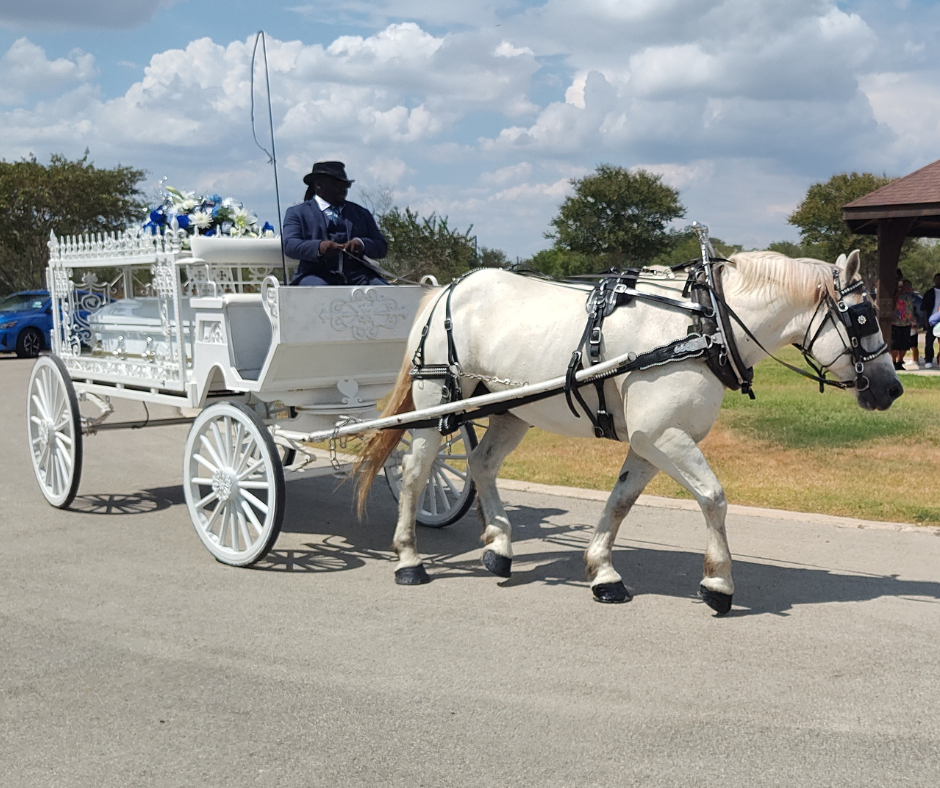
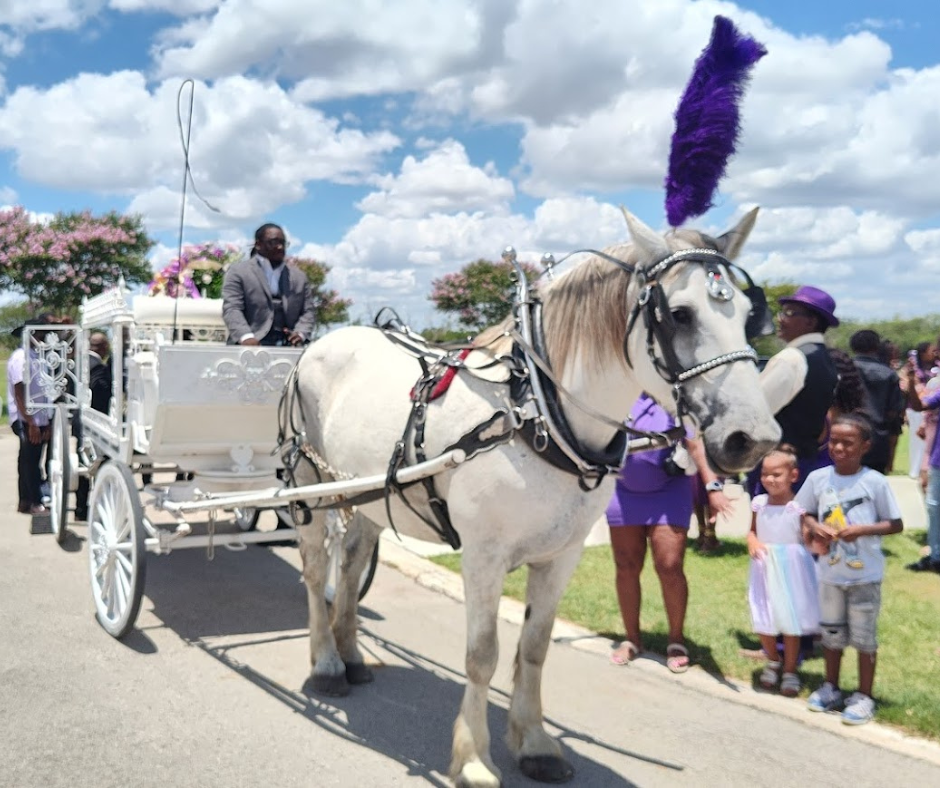
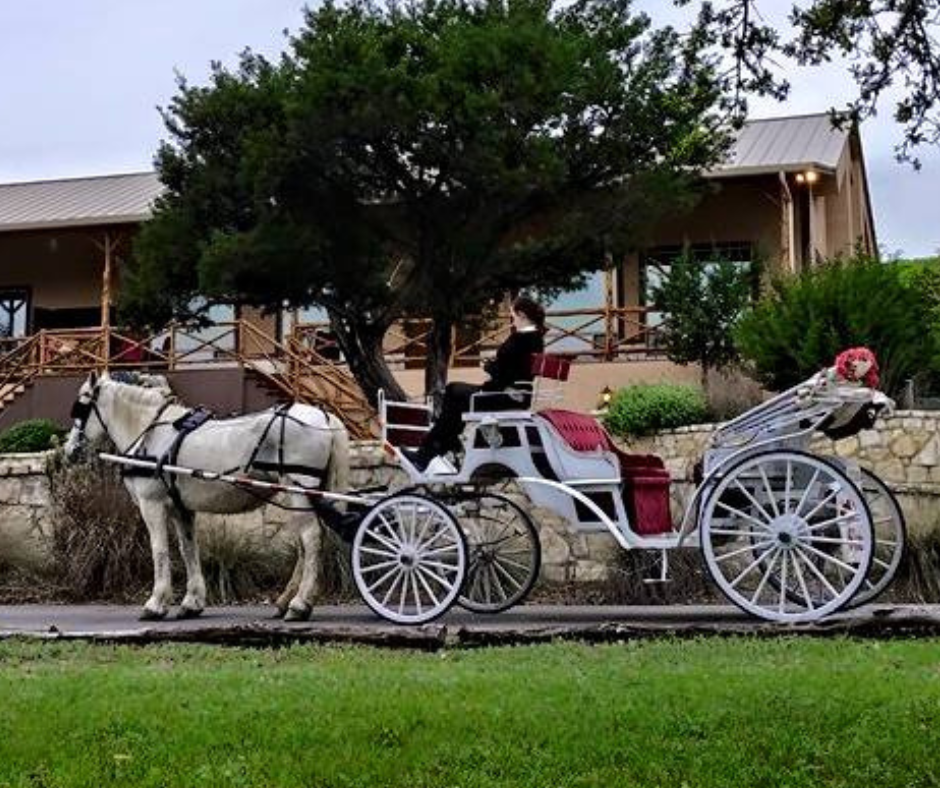
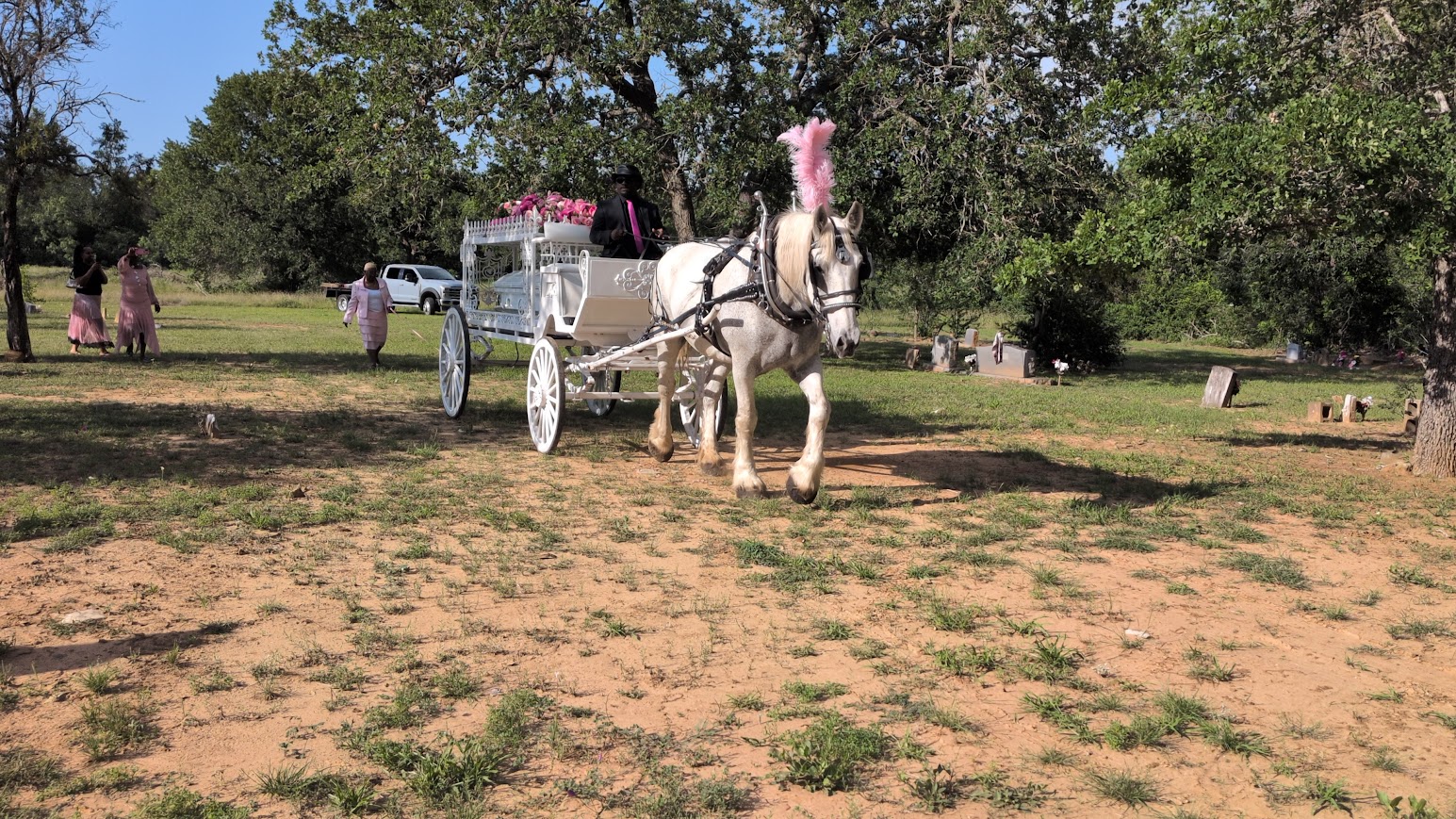
Yes. We can incorporate custom colors, team themes, flowers, and other meaningful touches to reflect your loved one's personality and passions. We have provided services with custom team colors, floral arrangements, and deeply personalized tributes. Share your vision and we will do our best to honor it.
Do you work directly with funeral homes?
+
Absolutely. We regularly coordinate with funeral homes across Texas to provide a seamless experience for families. Funeral directors are welcome to contact us directly to discuss arrangements, logistics, and how we can best serve the families in their care.
How many horses are used in a procession?
+
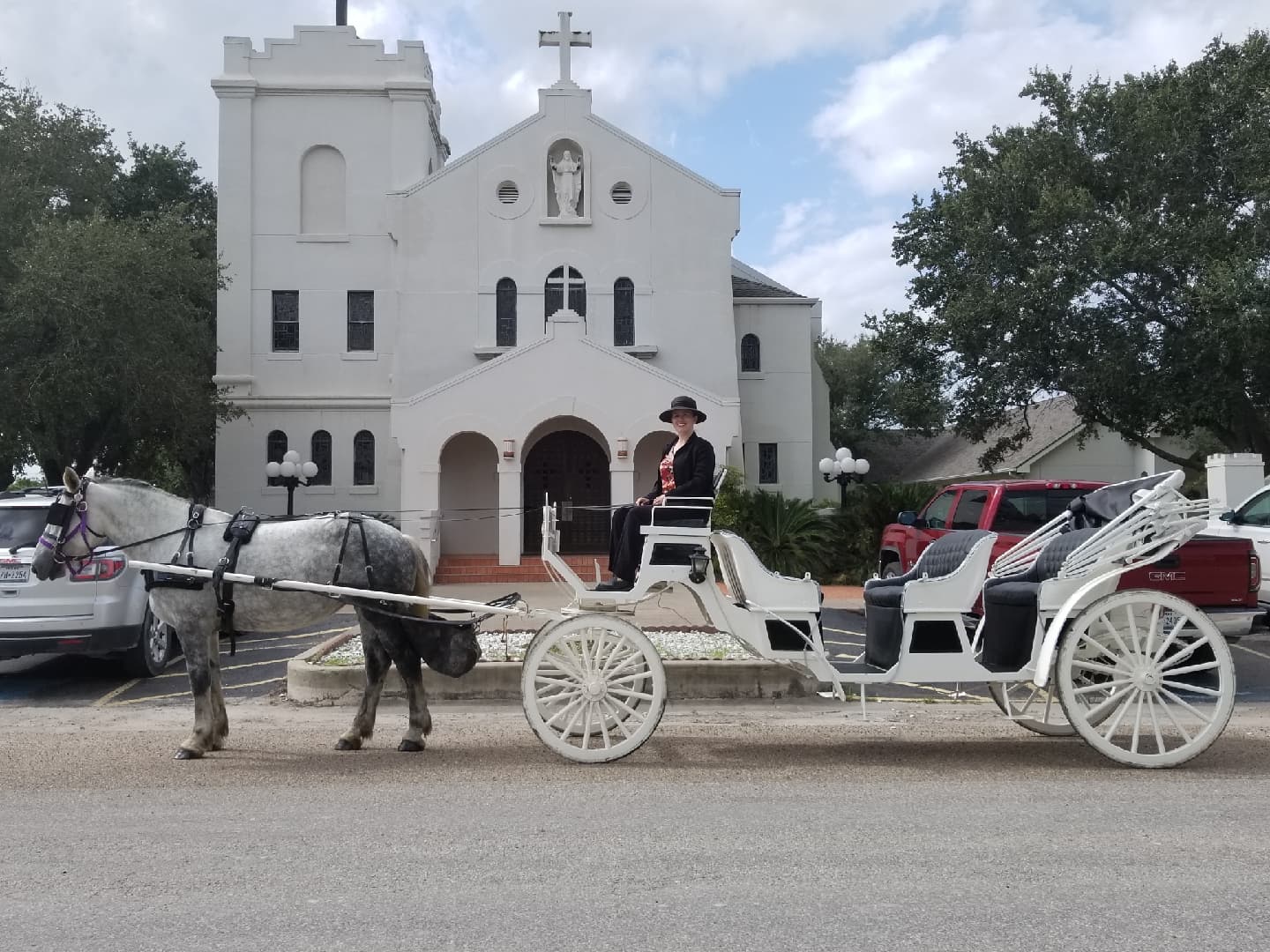
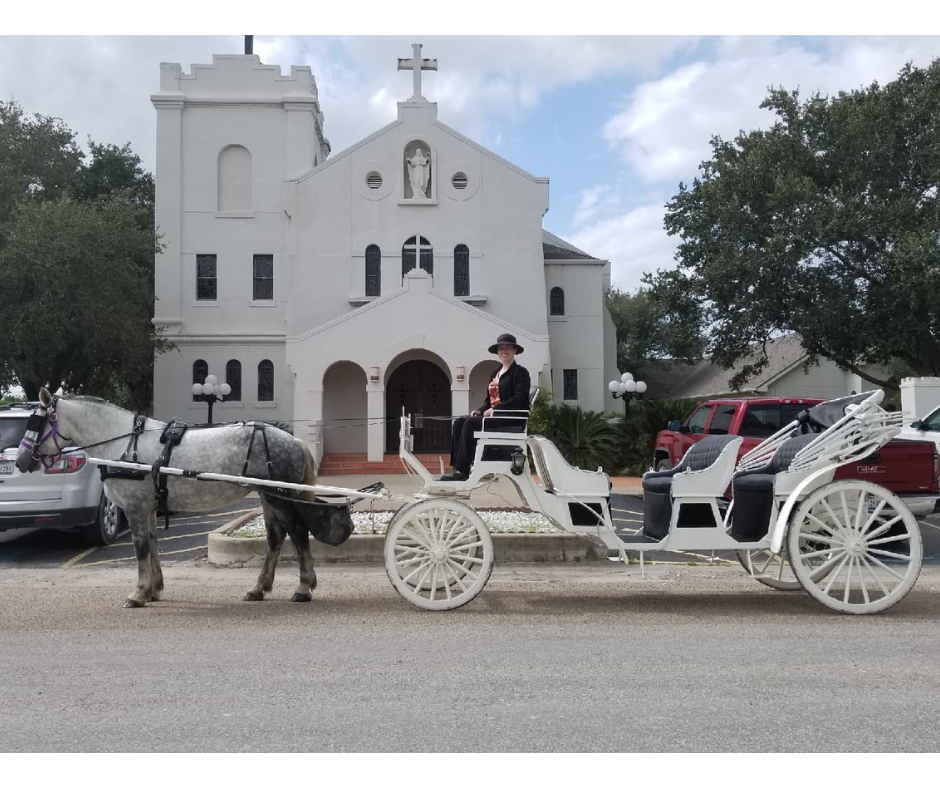
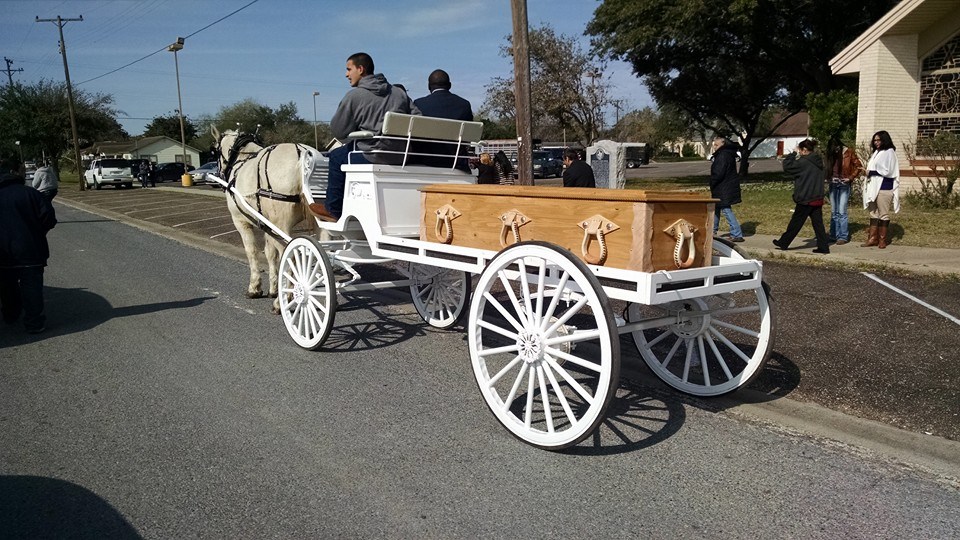
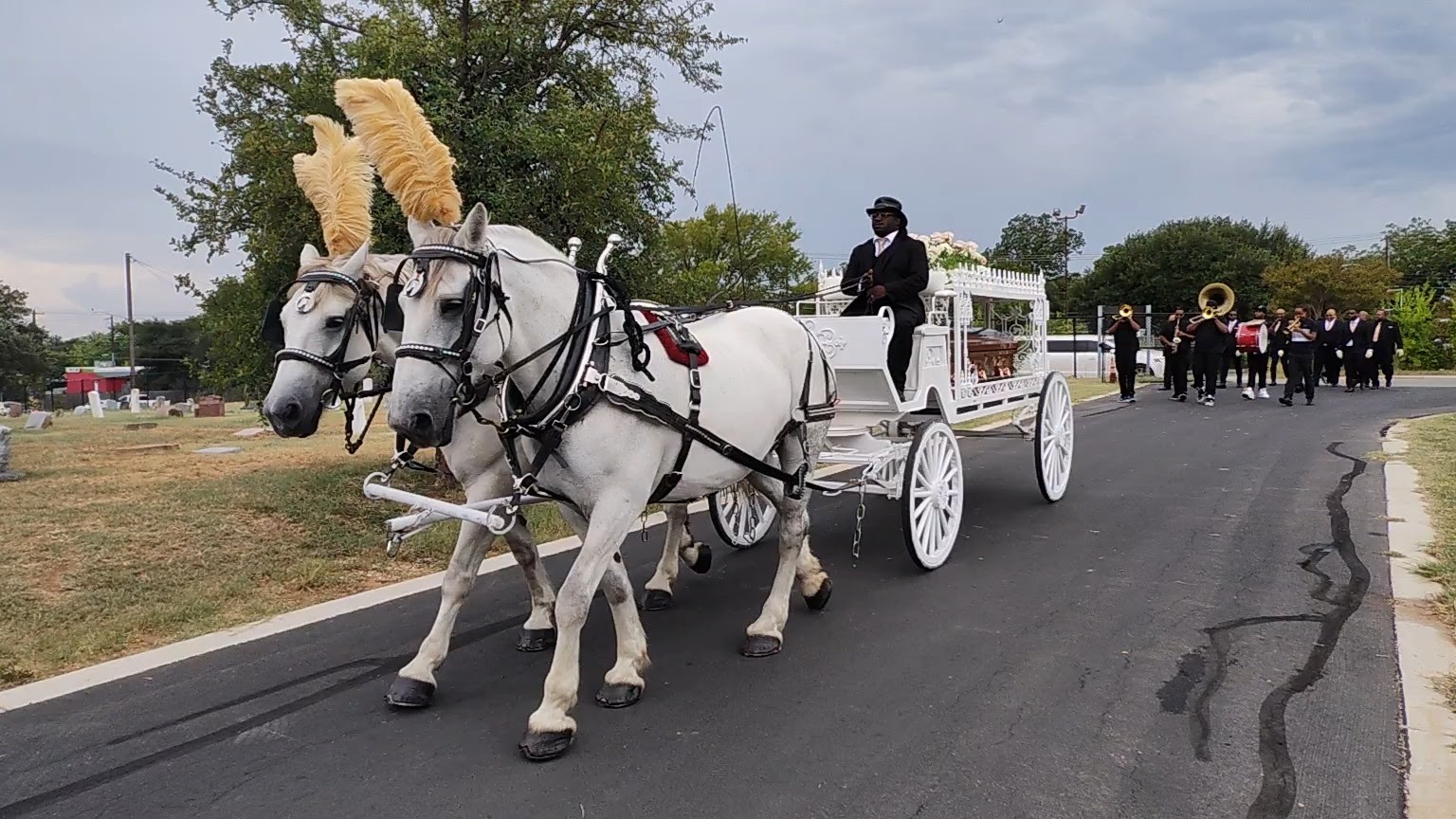
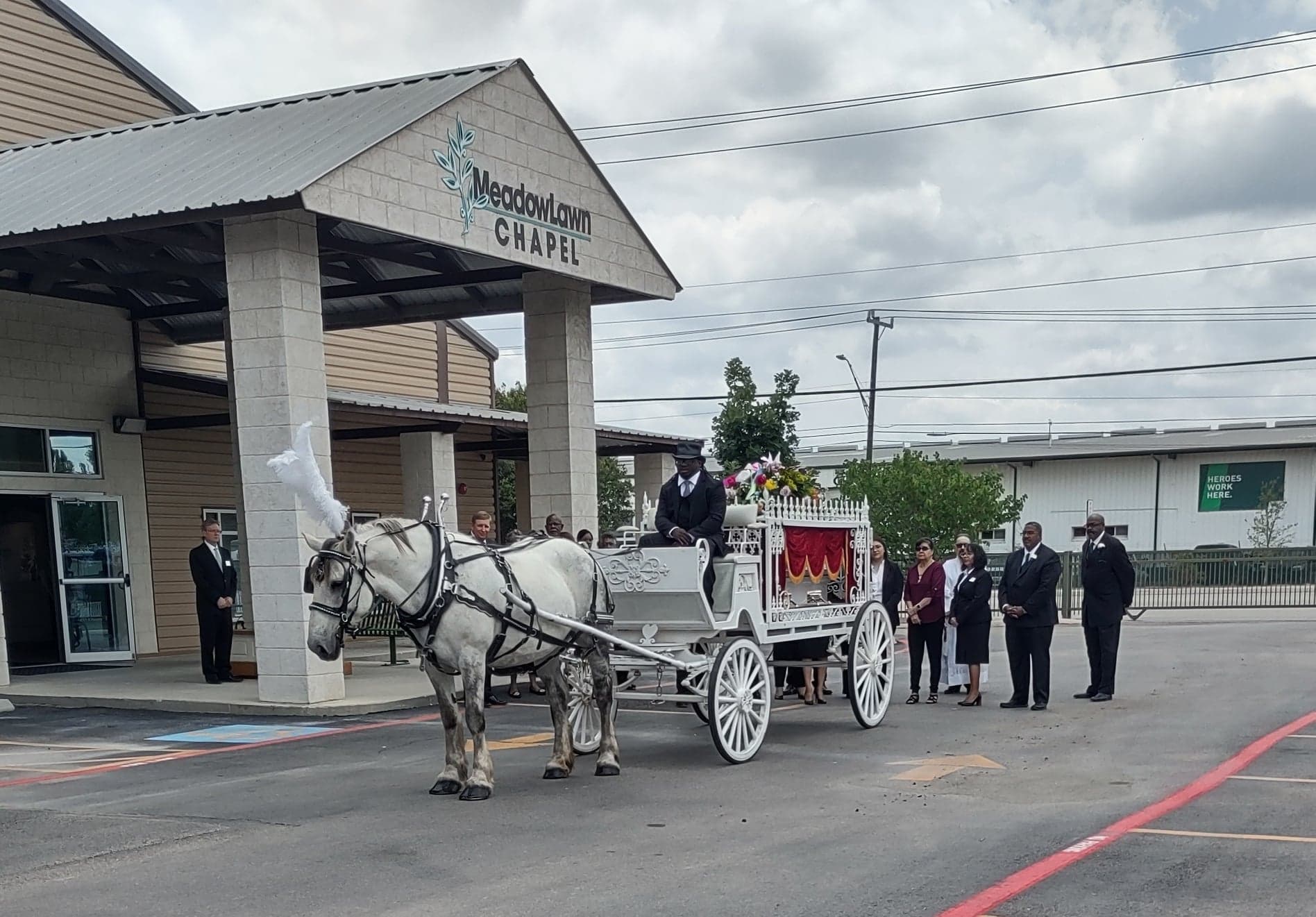
This varies by service. Our white hearse and family carriages are typically drawn by one to two horses, while the black caisson traditionally uses multiple horses for a more formal military procession. We will discuss the right configuration for your family's needs and the nature of the service during our consultation.
How can families honor a loved one with a deep connection to animals or nature?
+
A horse-drawn procession is one of the most natural and meaningful ways to honor someone who loved animals, the outdoors, or lived a life close to the land. The presence of horses — majestic, calm, and powerful — creates a tribute that feels genuinely alive and connected to the natural world in a way that no other funeral service can. It is a living, breathing farewell that reflects a life fully lived.
What does it mean to give someone a truly dignified funeral?
+
A dignified funeral honors the full weight of a person's life — their values, their relationships, their story. It slows things down, creates space for grief and celebration, and reminds everyone present that this life truly mattered. A horse-drawn procession does this in a way few other tributes can. It is unhurried, intentional, and deeply human.
How have funeral traditions changed, and what are families choosing today?
+
Modern funerals have become faster and more standardized, but many families are now returning to more meaningful, personalized tributes. Horse-drawn processions, once common a century ago, are seeing a quiet revival — not out of nostalgia, but because families want something that truly feels like it honors the person they lost, not just a routine service. Today's families are choosing depth over convenience.
What are some ways to slow down and be present during a funeral procession?
+
A horse-drawn procession naturally slows everything down. The pace of the horses, the sound of hooves, the sight of the carriage moving through the street — these things draw attention and invite stillness. Families often walk alongside, neighbors stop and bow their heads, and the procession becomes a shared communal moment rather than a rush from one location to the next. It gives grief the space it deserves.
How do families balance meaningful tradition with modern convenience?
+
You don't have to choose one or the other. A horse-drawn carriage can be incorporated into a modern funeral service as the arrival or departure element — blending the efficiency of today's services with a moment of timeless beauty. Even a short procession to or from the service can completely transform the experience for the family and everyone in attendance.
What funeral traditions from around the world celebrate life?
+
Many cultures around the world approach death as a celebration of life. New Orleans jazz funerals begin solemnly and end in joyful music. In Ghana, fantasy coffins are crafted in the shape of things the person loved. In Mexico, Día de los Muertos honors the deceased with color, food, and music. Horse-drawn carriages have been part of funeral traditions across Europe, the American South, and military ceremonies for centuries — a thread connecting us to something timeless.
How do families create a funeral that brings comfort, not just formality?
+
Comfort comes from feeling seen — when the service reflects who the person truly was. Custom colors, a favorite song played during the procession, a route through a meaningful neighborhood, the riderless horse for a veteran — these personal touches transform a formal obligation into something healing. Our job is to help you create that moment, and we take that responsibility seriously.